Conventional

ALL ABOUT CONVENTIONAL

Since commencing operations in November 1994, Westports’ conventional terminals—comprising break bulk, dry bulk and liquid bulk—have recorded consistent growth in both performance standards and throughput.

Westports achieved a record-breaking conventional cargo volume of 12.8 million MT in 2025, with growth across all segments. This performance reflects stronger demand, enhanced throughput efficiency and a strengthened market position, underpinned by the trust and strong partnerships we share with our clients.
 
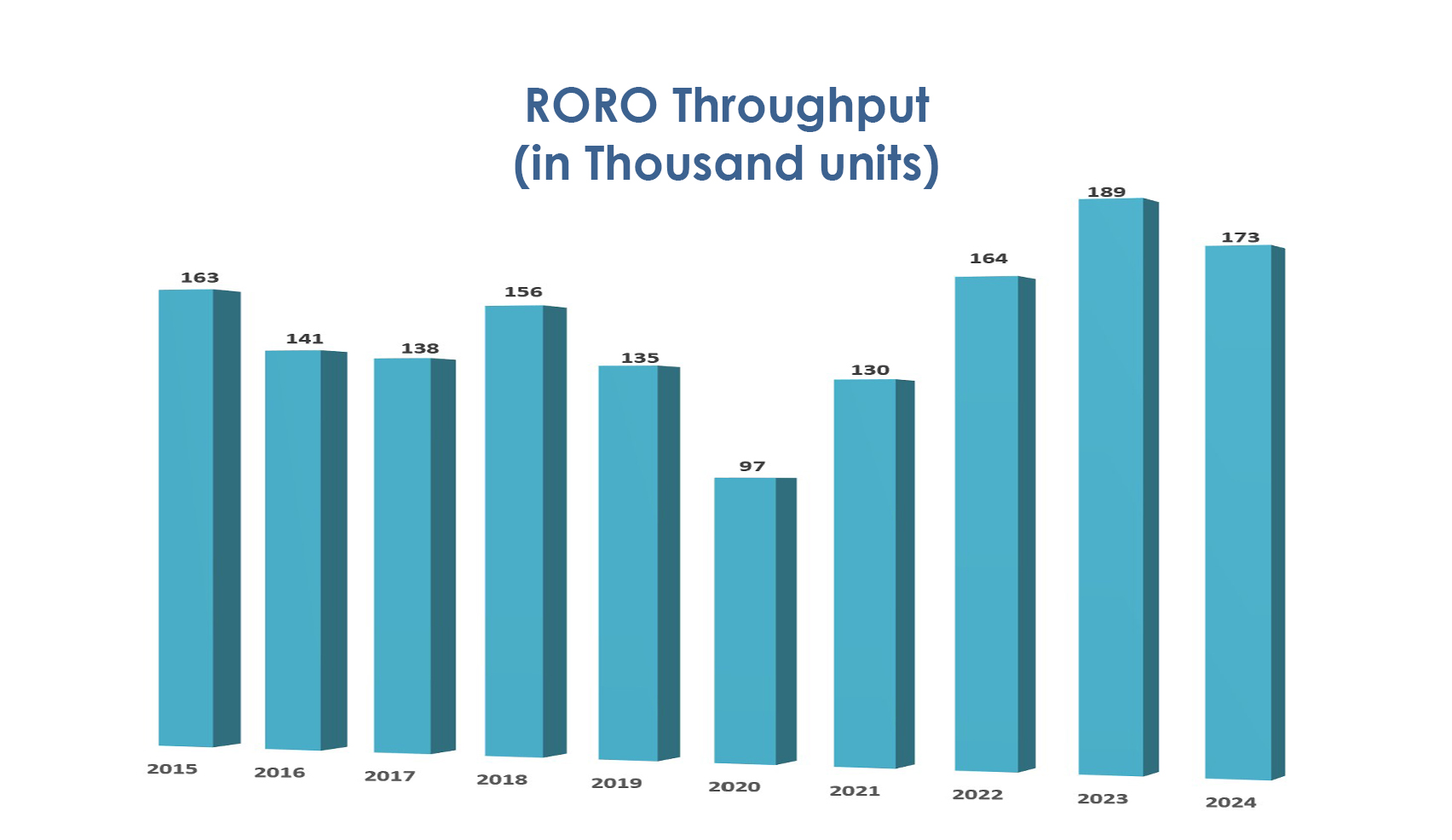
Building on this momentum, conventional throughput has continued to grow steadily across all cargo types over the years, while RoRo performance has demonstrated resilient growth and consistent recovery, reflecting improving demand, supported by our continued commitment to service excellence and capacity growth.

ALL ABOUT CONVENTIONAL

Since commencing operations in November 1994, Westports’ conventional terminals—comprising break bulk, dry bulk and liquid bulk—have recorded consistent growth in both performance standards and throughput.

Westports achieved a record-breaking conventional cargo volume of 12.8 million MT in 2025, with growth across all segments. This performance reflects stronger demand, enhanced throughput efficiency and a strengthened market position, underpinned by the trust and strong partnerships we share with our clients.
 
Building on this momentum, conventional throughput has continued to grow steadily across all cargo types over the years, while RoRo performance has demonstrated resilient growth and consistent recovery, reflecting improving demand, supported by our continued commitment to service excellence and capacity growth.
  • Main Terminal ( Break Bulk 1 & 2) – 4.6 MIL MT
  • Dry Bulk – 1.6 MIL MT
  • Cement Jetty – 1.7 MIL MT
  • Liquid Bulk – 15 MIL MT
  • RORO – 220000 unit

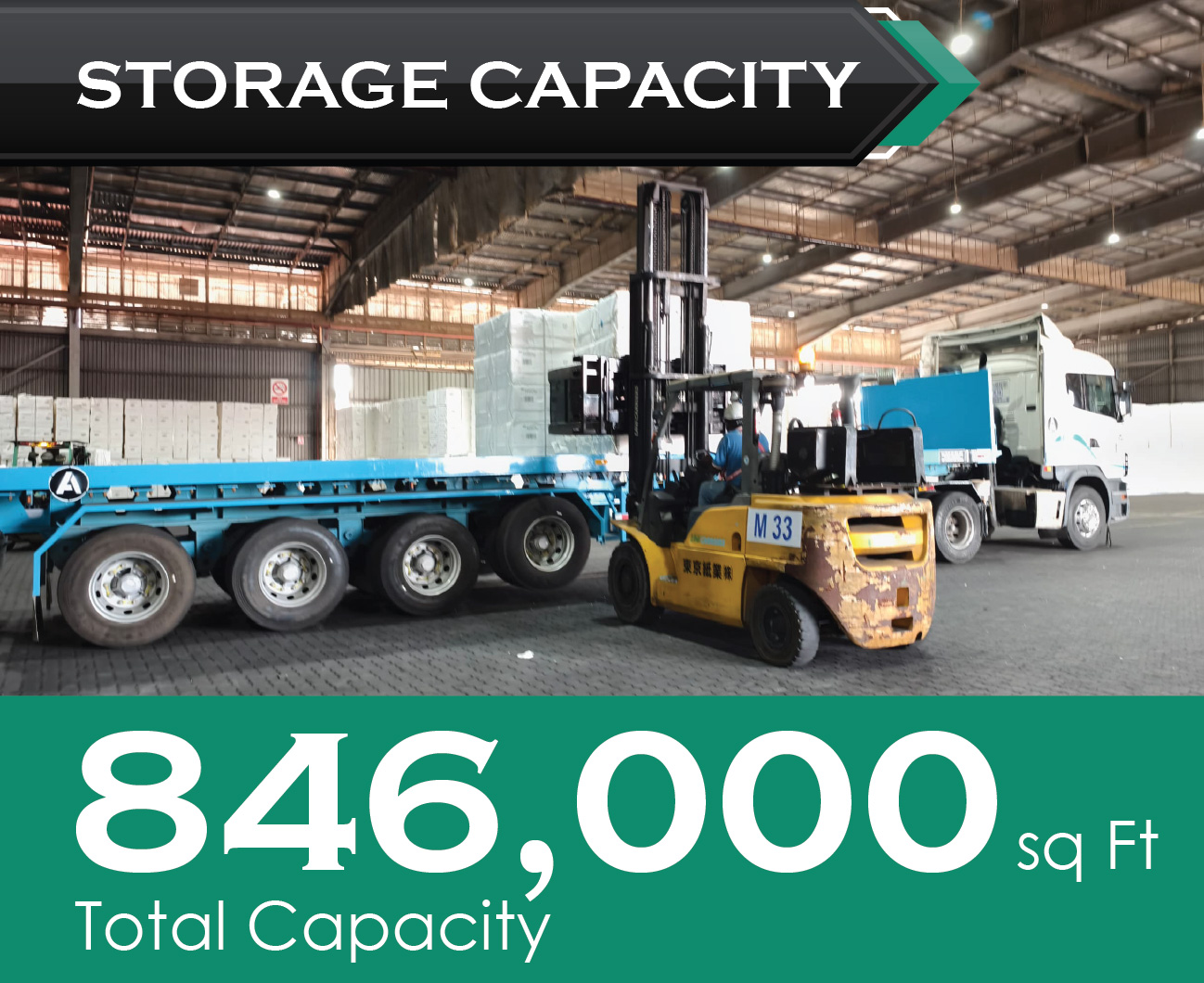
  • Warehouse F,G,H (Dry Bulk: Grains / Sugar) – 126,000 sq ft.
  • Warehouse D (Break Bulk: General Cargo) – 72,000 sq ft.
  • Open Yard : (Break Bulk and RORO: General Cargo/ Project Cargo/ Wheeled Cargo) – 648,000 sq ft.

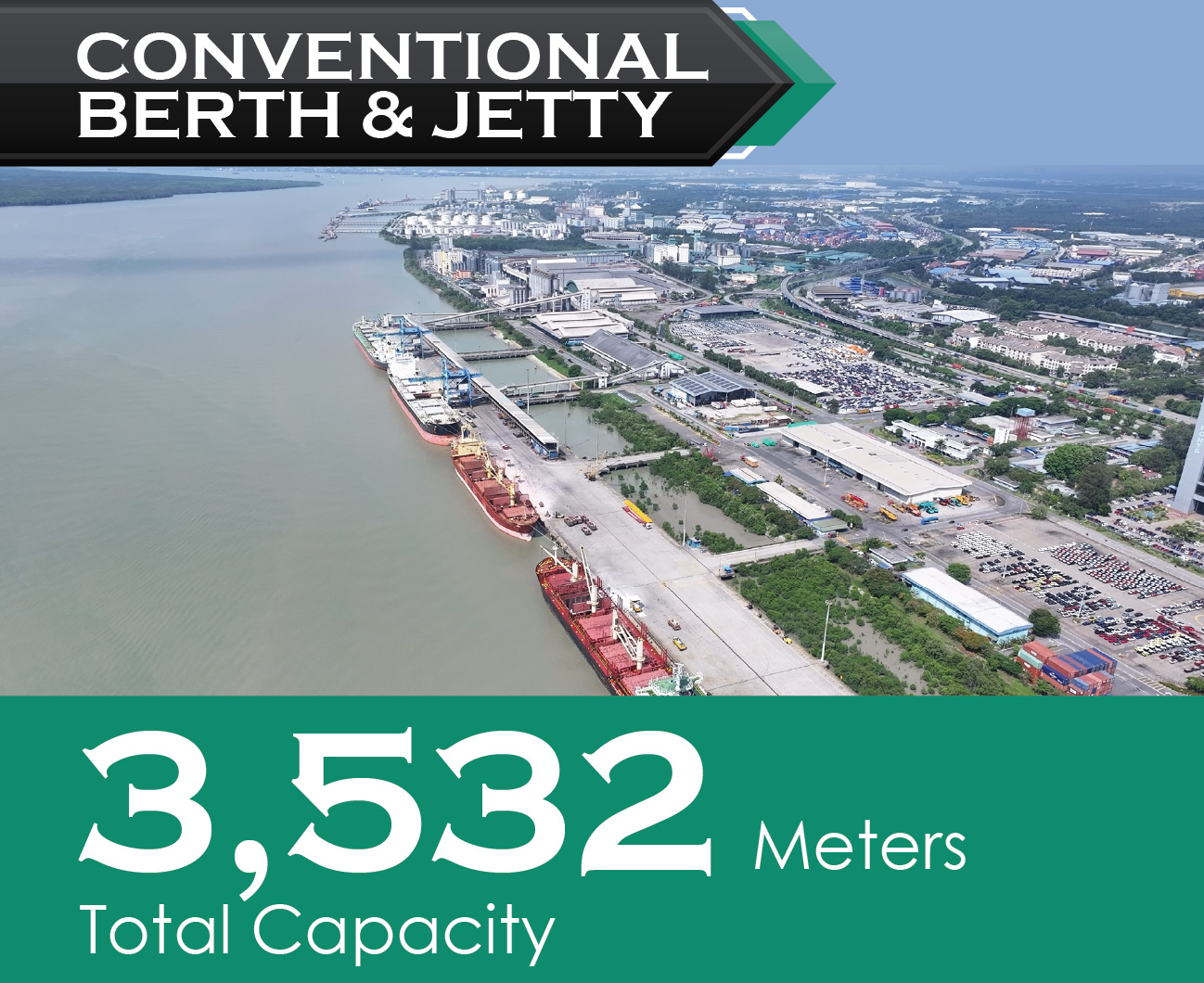
  • Break Bulk and RORO – 600 meter (3 berth)
  • Dry Bulk 1 – 400 Meter (2 berth)
  • Dry Bulk 2 – 250 Meter (1 berth)
  • Liquid Bulk Terminal – 2282 Meter
  1. LBT 1 Outer – 139 Meter
  2. LBT 1 Inner – 193 Meter
  3. LBT 2 – 320 Meter
  4. LBT 3 – 305 Meter
  5. LBT 4 – 350 Meter
  6. LBT 4A – 290 Meter
  7. LBT 5 – 400 Meter
  8. LBCT – 285 Meter

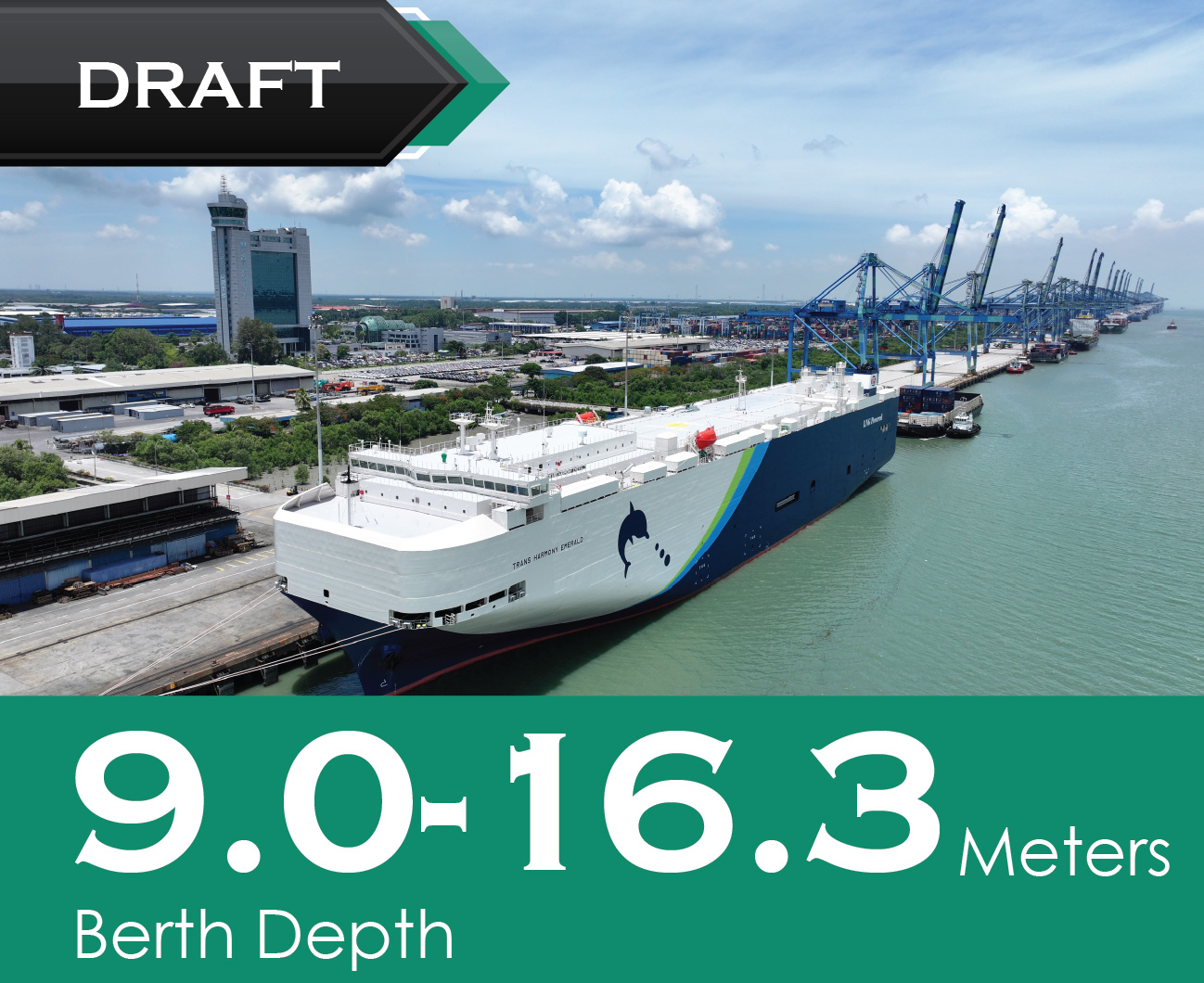
  • Break Bulk and RORO – 14.5 Meter
  • Dry Bulk 1 – 15 Meter
  • Dry Bulk 2 – 14.5 Meter
  • Liquid Bulk – 9 – 16 Meter

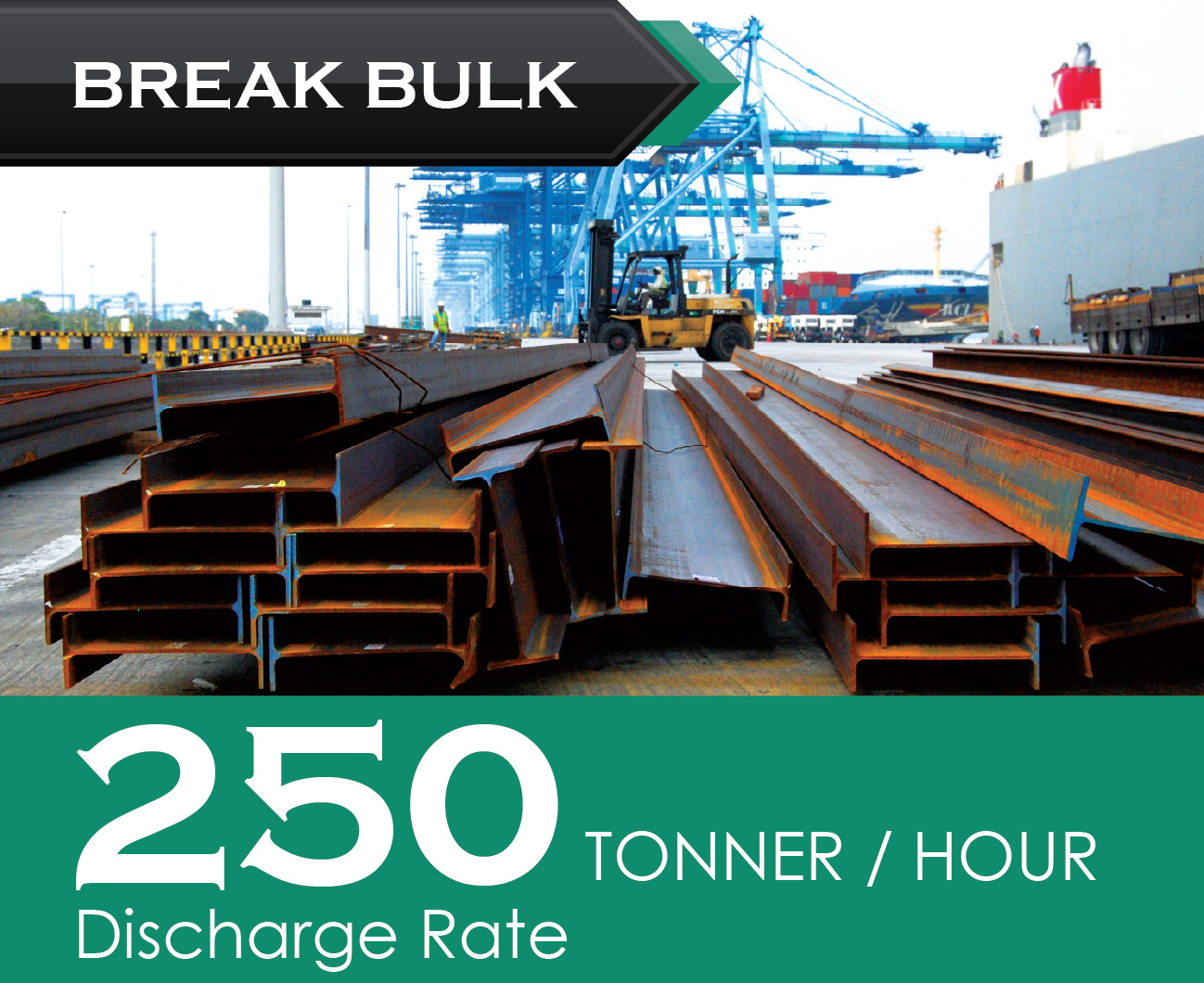
  • Coils – 250 Tonnes/ Hour
  • Mixed Steel – 100 Tonnes/ Hour
  • Project Cargo – 50 Tonnes / Hour

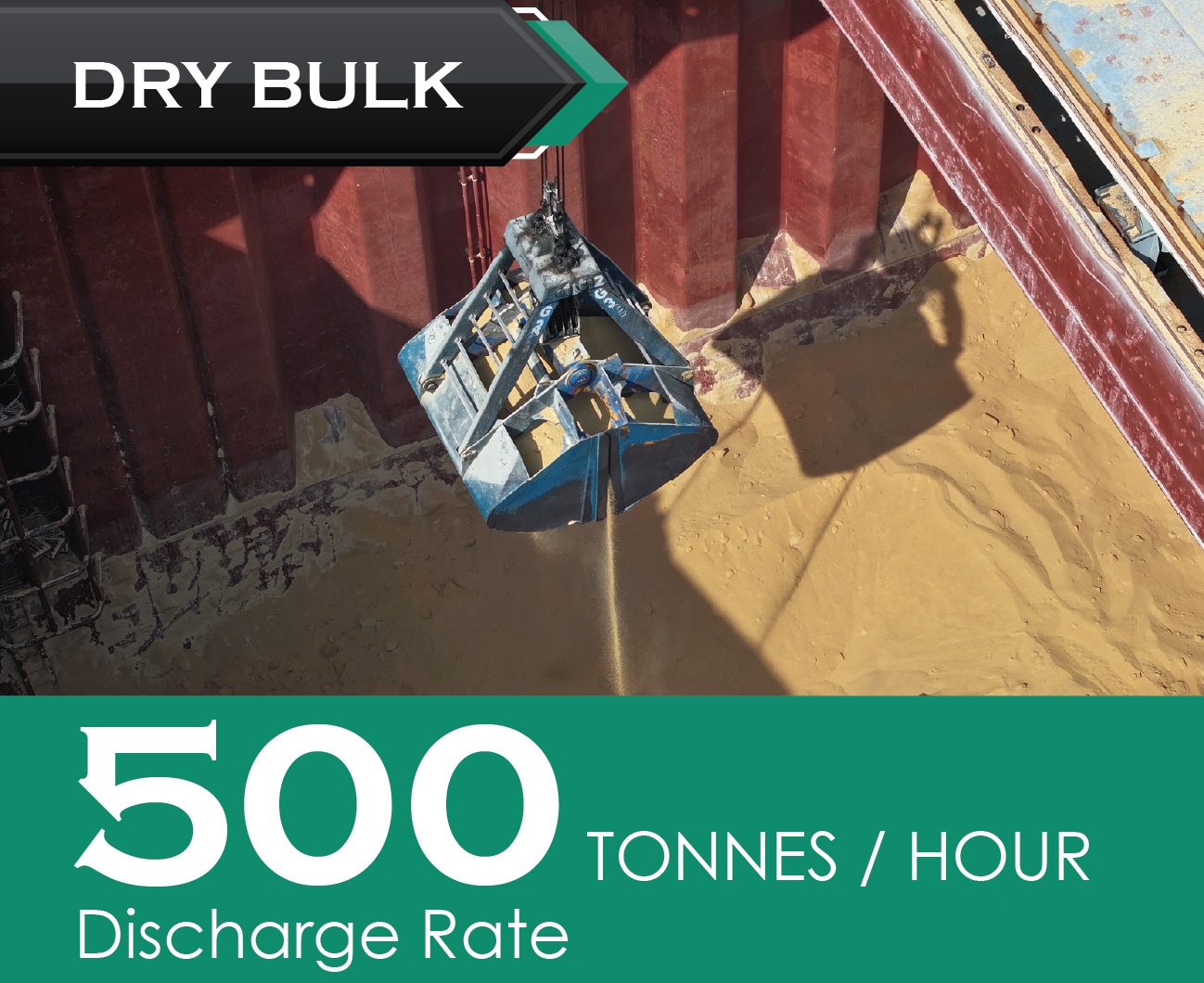
DRY BULK 1 – EDIBLE CARGO

  • Free Flow Cargo: 500 Tonnes / Hour
  • Non-Free Flow Cargo: 300 Tonnes/ Hour

DRY BULK 2 – NON-EDIBLE CARGO

  • Non-Free Flow Cargo: 200 Tonnes/ Hour

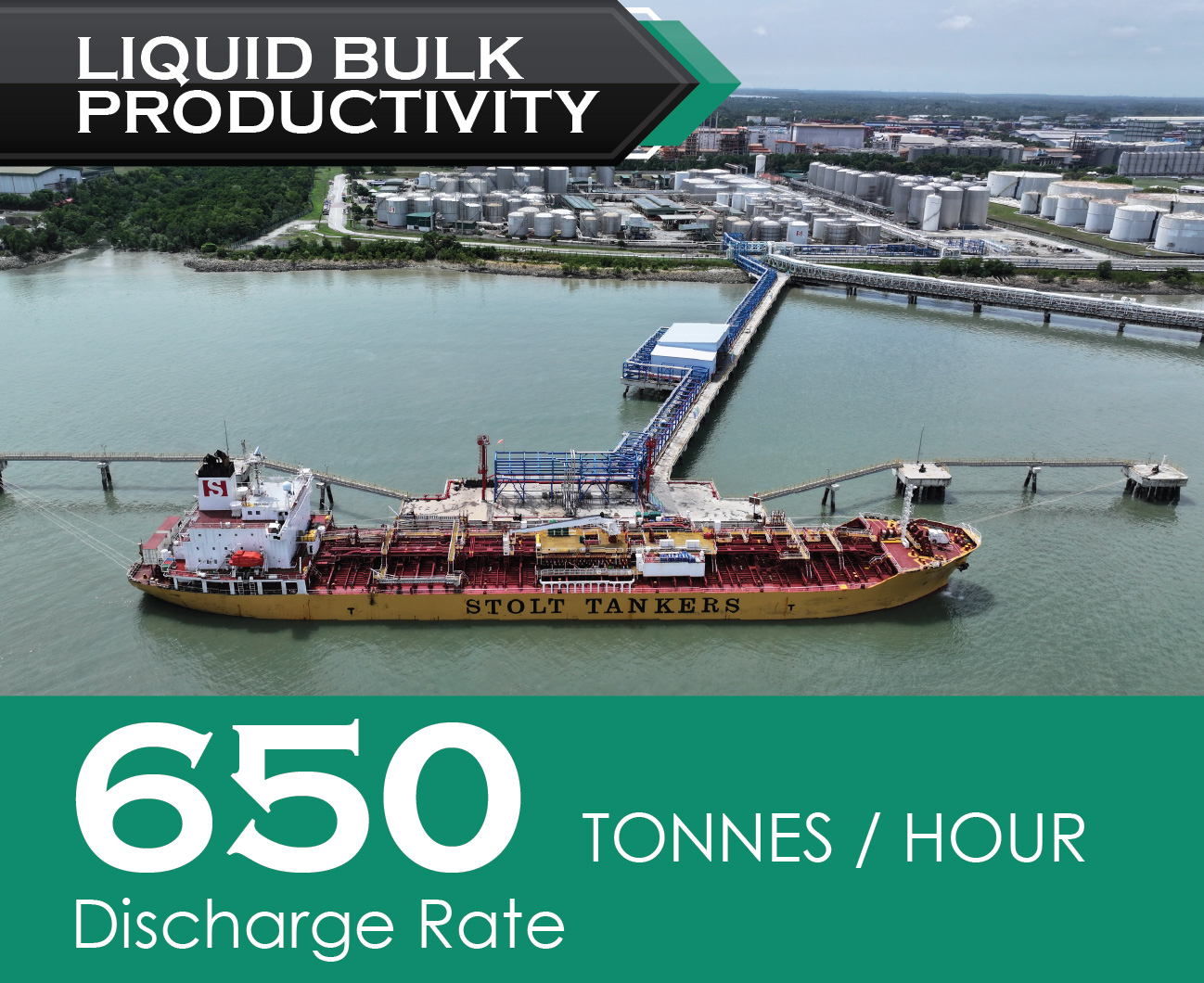
  • Marine Fuel Oil – 650 Tonnes/ Hour
  • Gasoline/ Diesel: 650 Tonnes/ Hour
  • Crude Palm Oil & Specialty Fats – 200 Tonnes/ Hour
  • Liquified Petroleum Gas – 180 Tonnes/ Hour
  • Chemicals – 150 Tonnes/ Hour

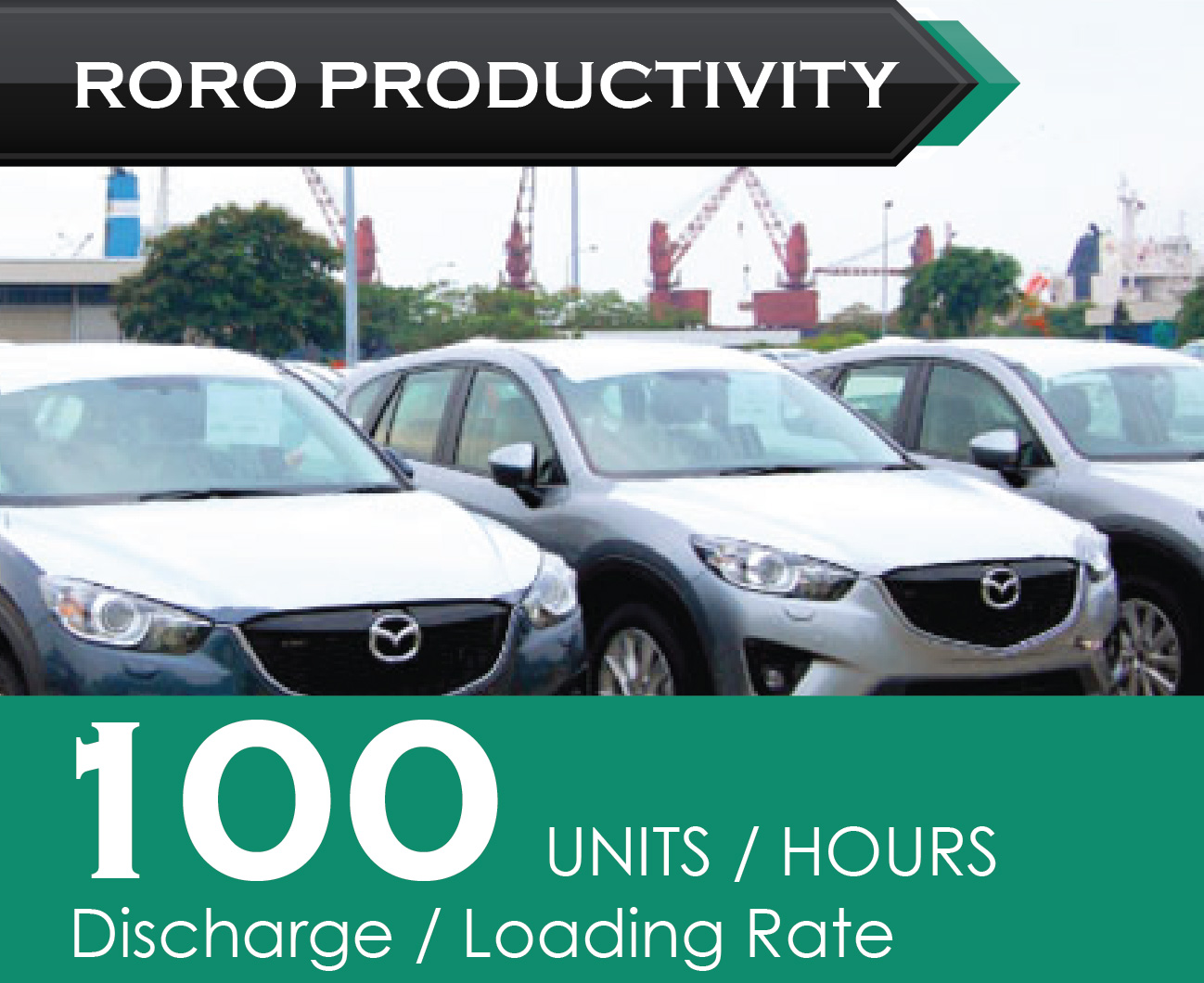
  • 100 UNITS/ HOUR DISCHARGE/ LOADING RATE

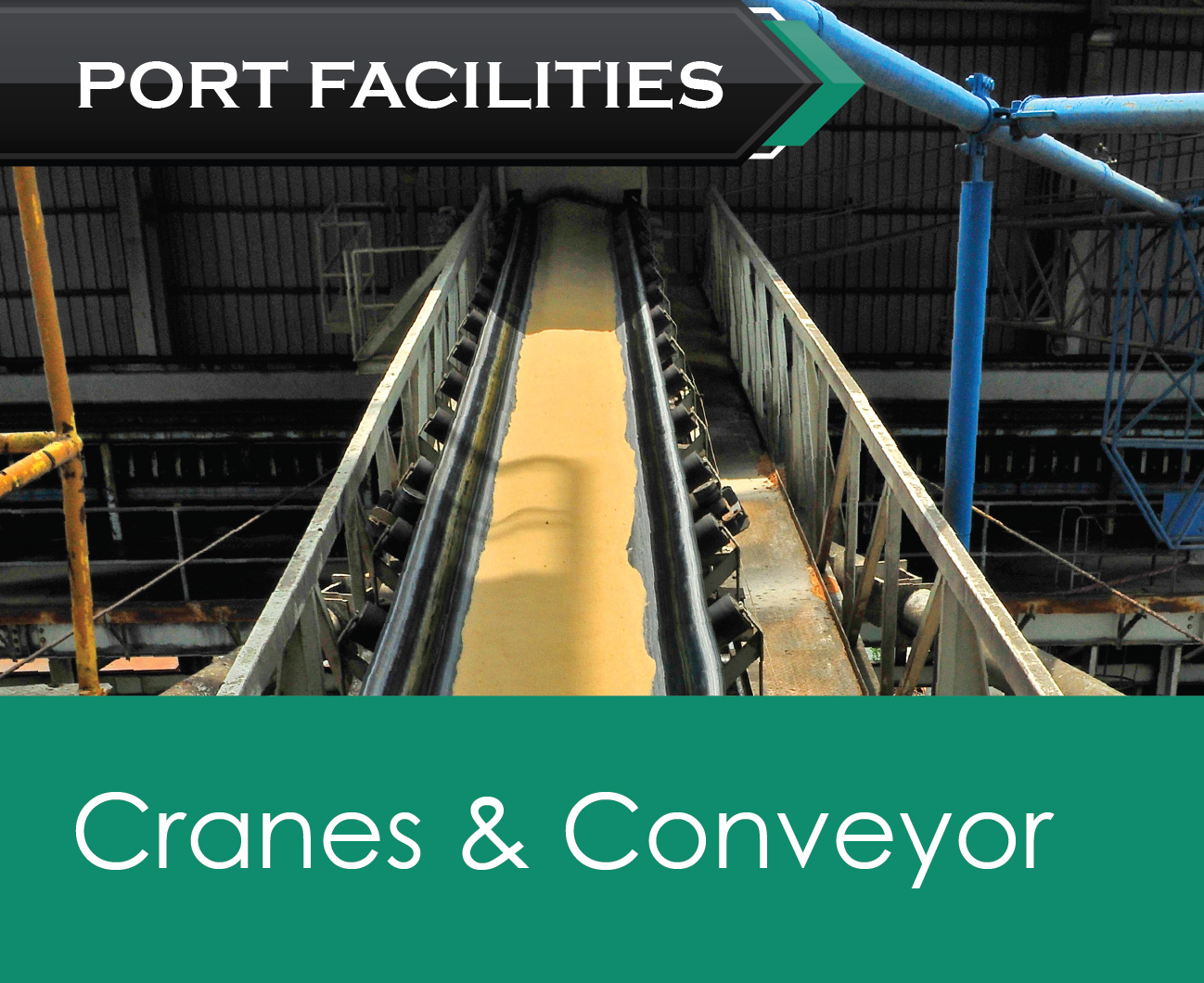
  • Unloader Cranes – 2 units
  • Level Luffing Crane – 1 unit
  • Conveyor

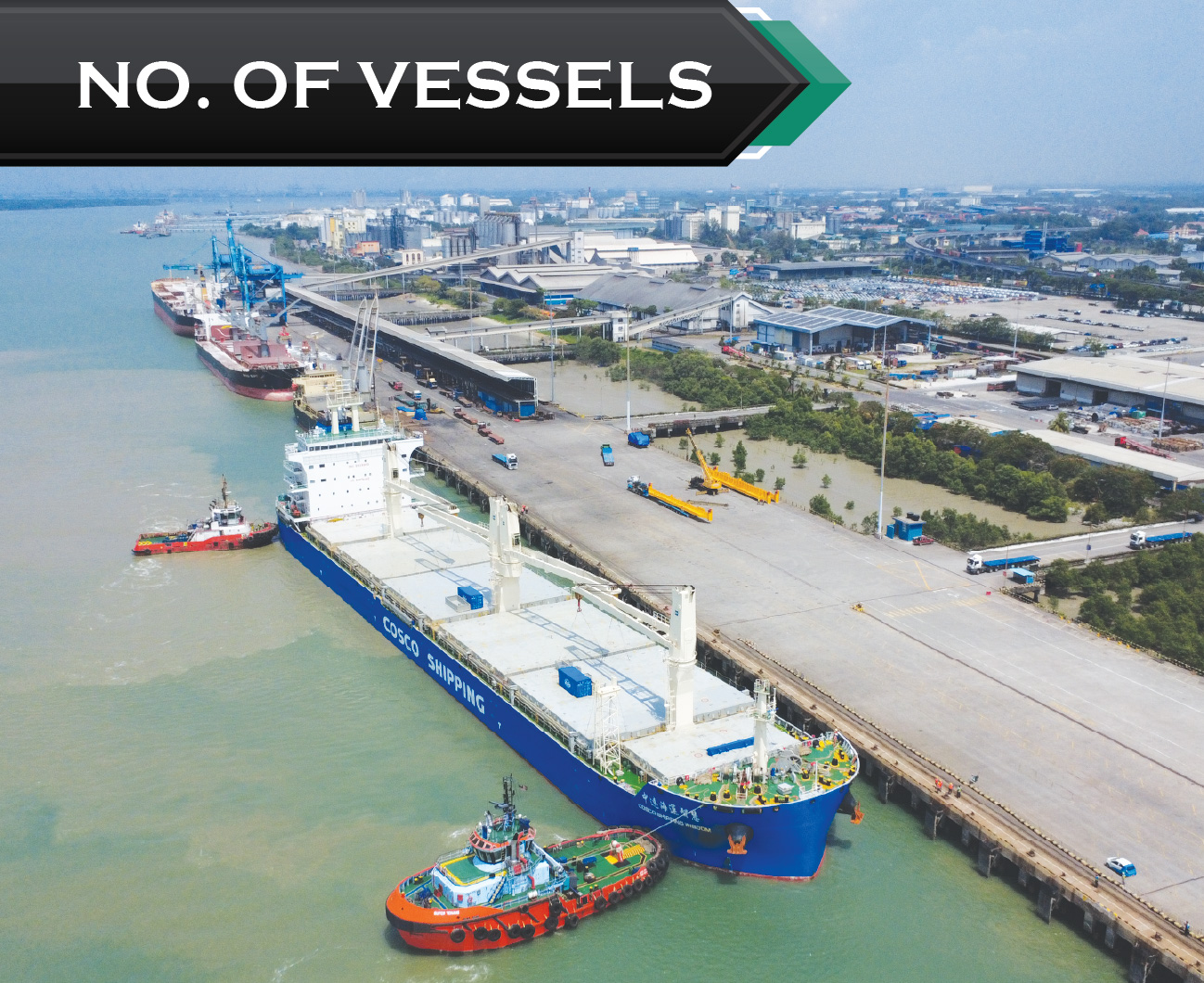
  • Total of 1,604 vessel for the year 2025
  • Total of 1,502 vessel for the year 2024
  • Total of 1,503 vessel for the year 2023